
Office Address
P.O. Box 15808, Mbezi, Dar es Salaam, Tanzania
Phone Number
+255 714 629 700
Email Address
wahigrouptz@gmail.com
P.O. Box 15808, Mbezi, Dar es Salaam, Tanzania
+255 714 629 700
wahigrouptz@gmail.com





 by WAHI GROUP
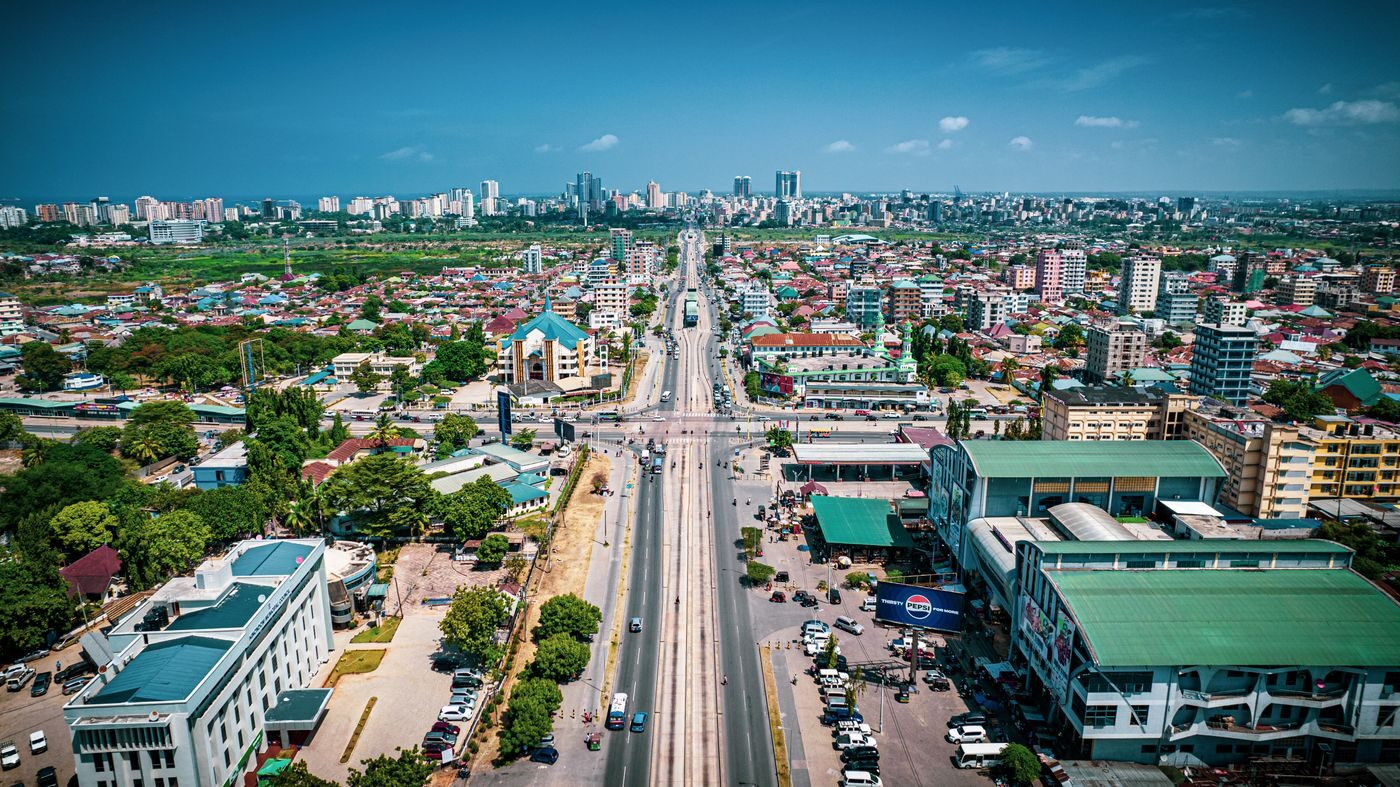
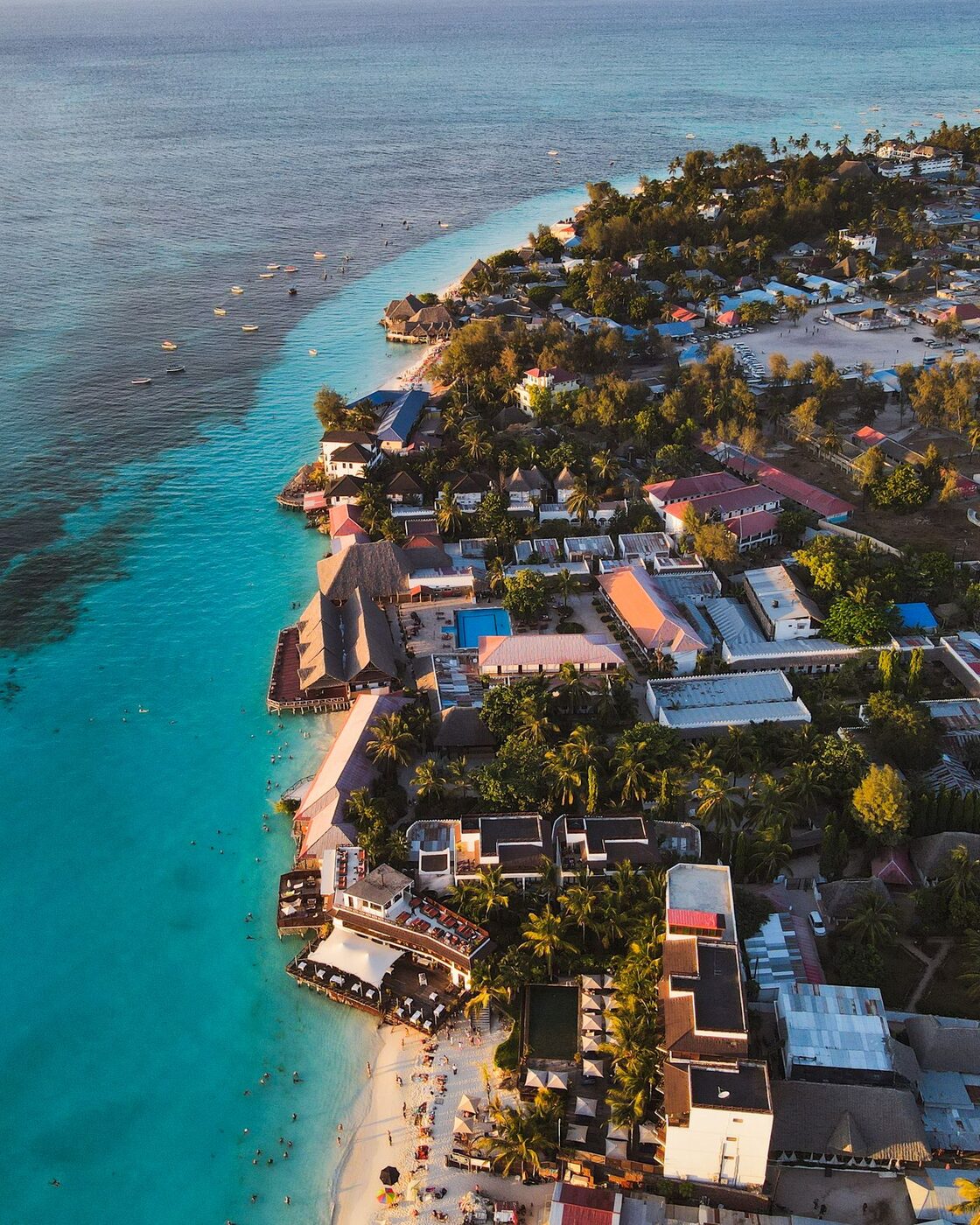
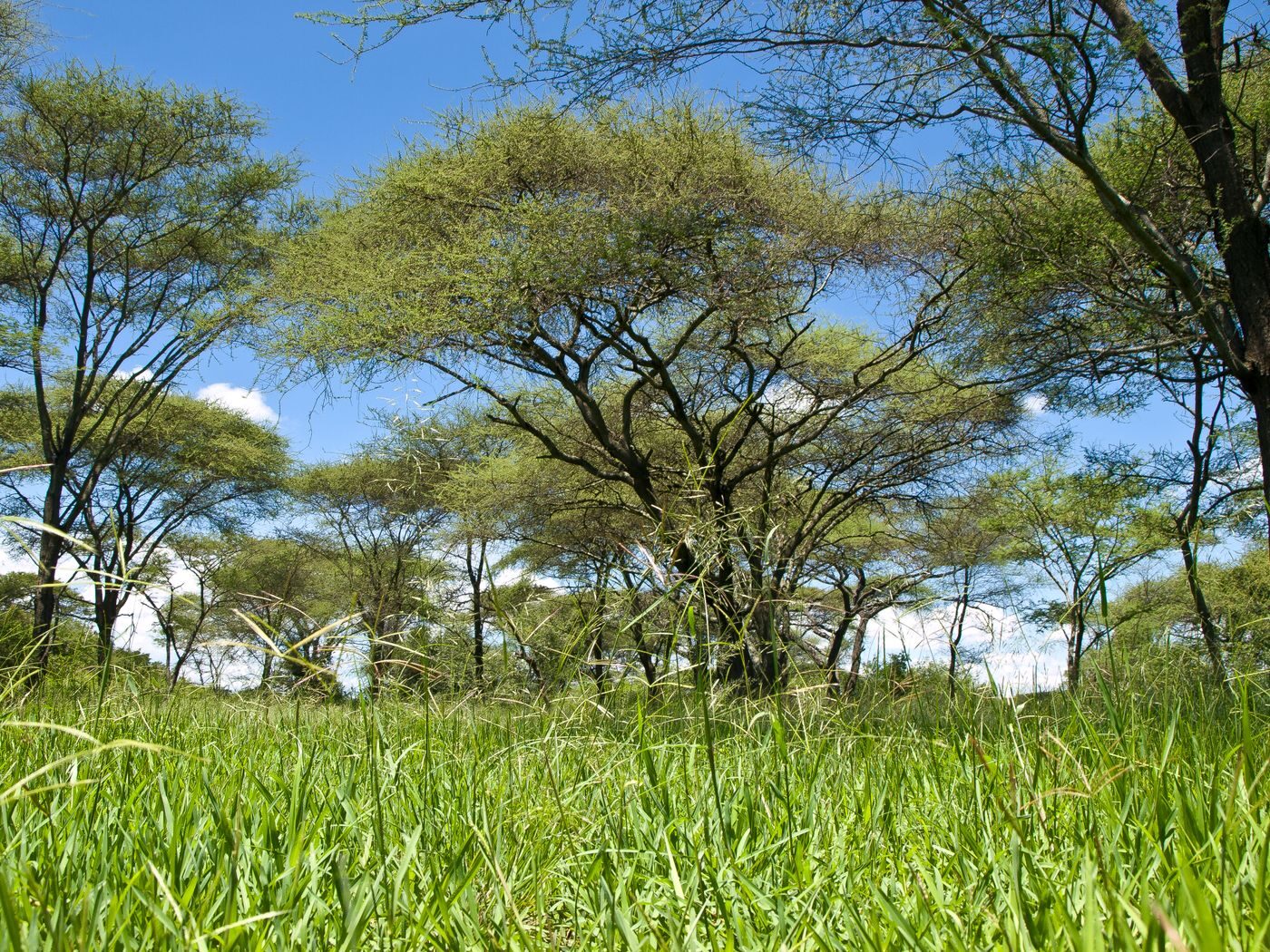
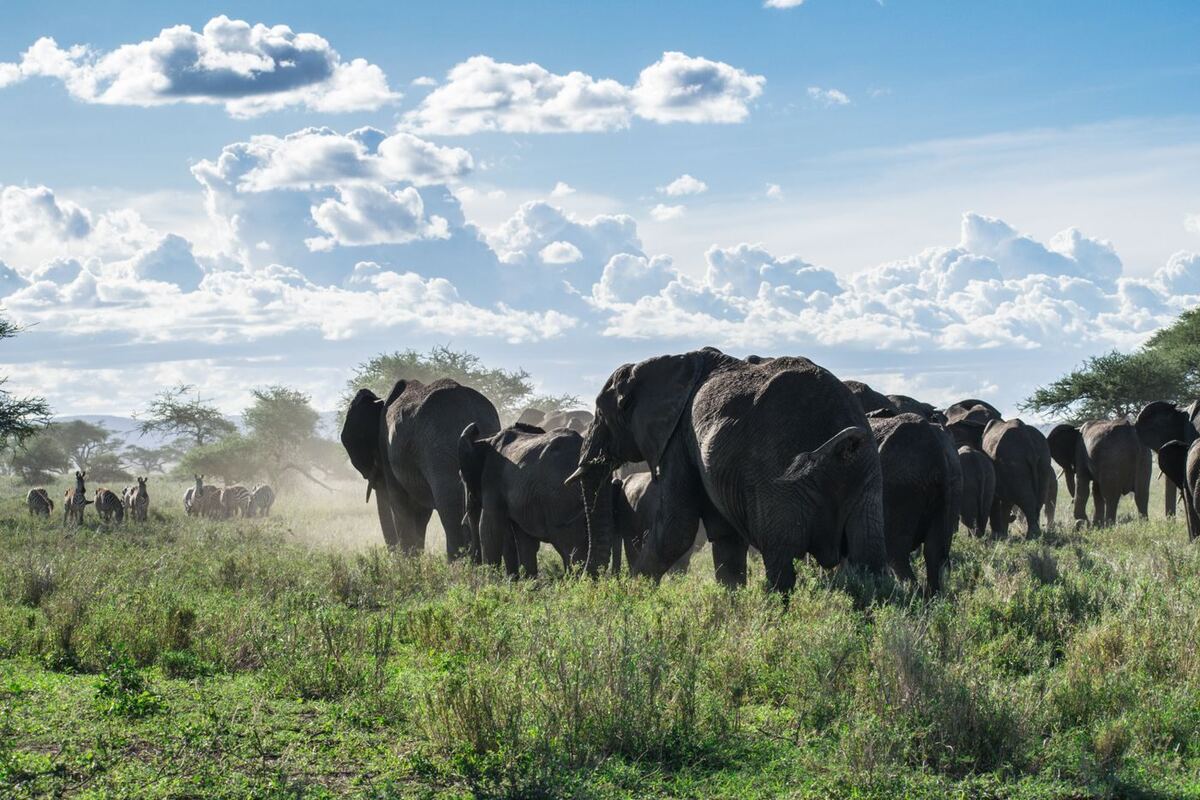
Tanzania holds a set of tourism assets that cannot be copied, built or relocated: the Serengeti and its migration, the Ngorongoro Crater, Mount Kilimanjaro, Selous, Ruaha, and the beaches and heritage of Zanzibar. Most destinations compete on price and marketing. Tanzania competes on things that simply exist nowhere else.
A large share of the value generated by a Tanzanian safari has historically been captured outside Tanzania — by international tour operators, booking platforms and airlines. The domestic share is concentrated in lodging, guiding, transport and park fees. Any serious tourism investment thesis here starts with a simple question: which part of the value chain are we actually in, and who controls the customer?
The scarce resource in Tanzanian tourism is not scenery. It is consistent service, reliably delivered.
Tourism businesses here live or die on three things. Seasonality — a property that only works four months a year needs a cost base that survives the other eight. Staff — service quality is the entire product, and training is the investment that compounds. Conservation costs — they are real, they are permanent, and the businesses that treat them as part of the model rather than a tax are the ones with a product left to sell in twenty years.
WAHI Safaris develops and invests in tourism experiences, accommodation and travel services across Tanzania's circuits, with an emphasis on responsible operation and genuine local employment. We partner with international operators, hospitality groups and investors seeking a credible operating base in the Tanzanian market.