
Office Address
P.O. Box 15808, Mbezi, Dar es Salaam, Tanzania
Phone Number
+255 714 629 700
Email Address
wahigrouptz@gmail.com
P.O. Box 15808, Mbezi, Dar es Salaam, Tanzania
+255 714 629 700
wahigrouptz@gmail.com




 by WAHI GROUP
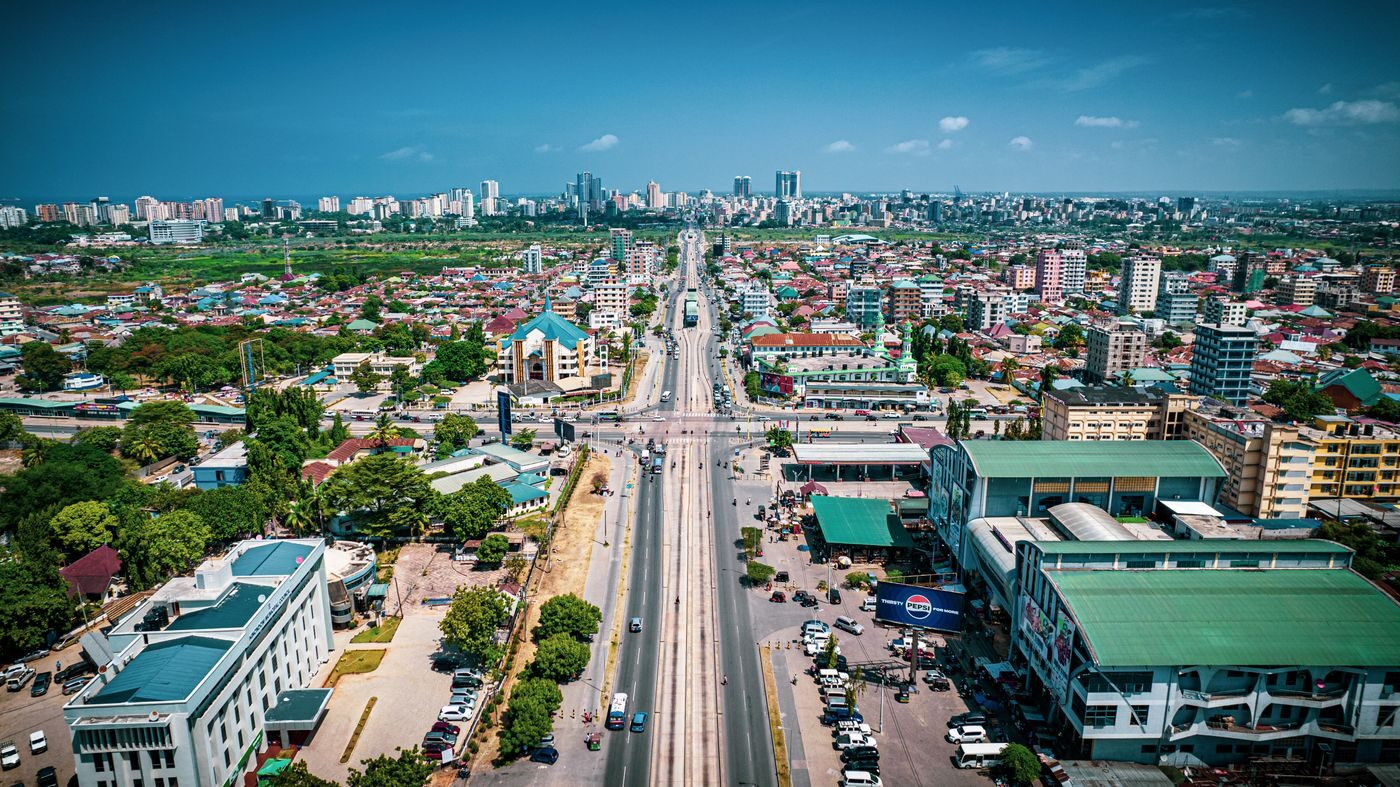
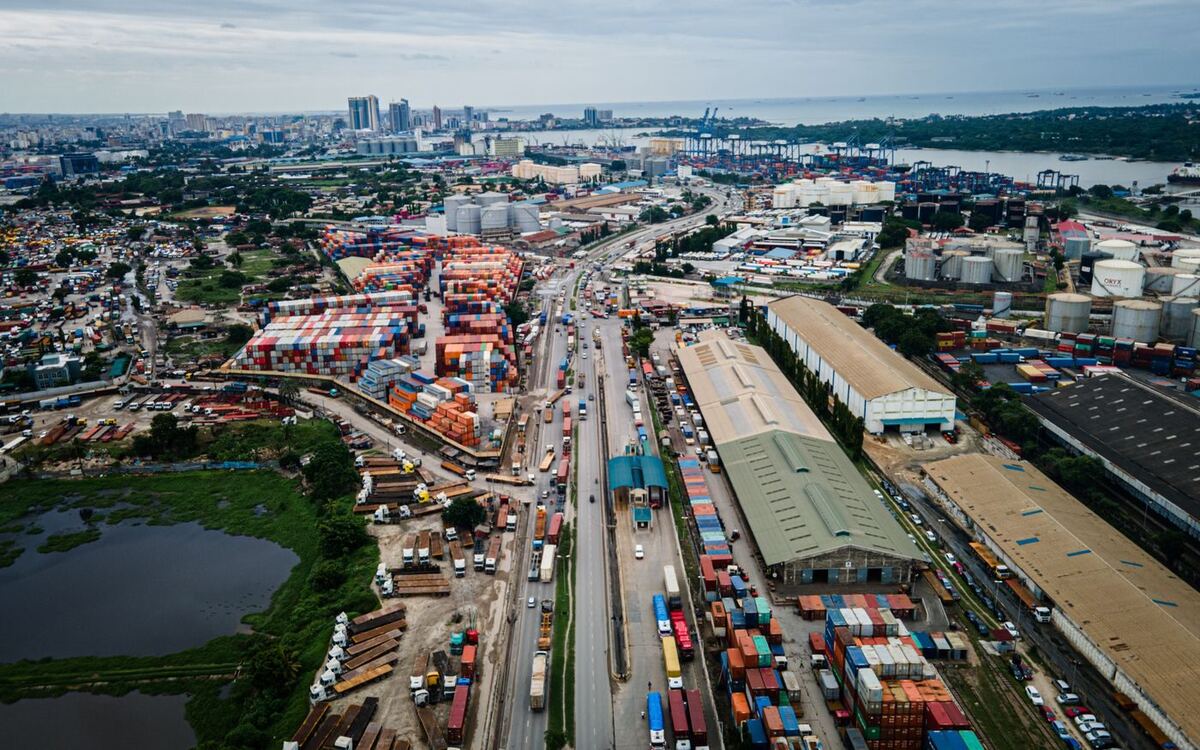
Geography is the most underrated asset in any investment case. Tanzania sits on the Indian Ocean with a deep-water port and rail and road corridors running inland to a group of countries that have no coastline of their own. Zambia, the Democratic Republic of Congo, Burundi, Rwanda, Uganda and Malawi all rely on neighbouring ports for a significant share of their trade — and Dar es Salaam is one of the shortest routes for several of them.
A warehouse in Dar es Salaam is not serving a market of 60 million people. It is positioned on a corridor serving well over 150 million. A trucking fleet based in Tanzania does not compete only for domestic freight. A bonded facility, a customs clearing business, a container depot or a cold chain operation all inherit this multiplier automatically.
Corridor trade is not frictionless, and honest assessment matters more than optimism. Border clearance times, cargo dwell at the port, empty-return legs on trucking routes, and the cost of financing goods in transit all compress margins. Every one of these frictions is also a business: the operators who reduce dwell time, consolidate loads, or finance cargo in transit capture the value they release.
In logistics, the profitable business is usually the one that removes a delay rather than the one that moves a box.
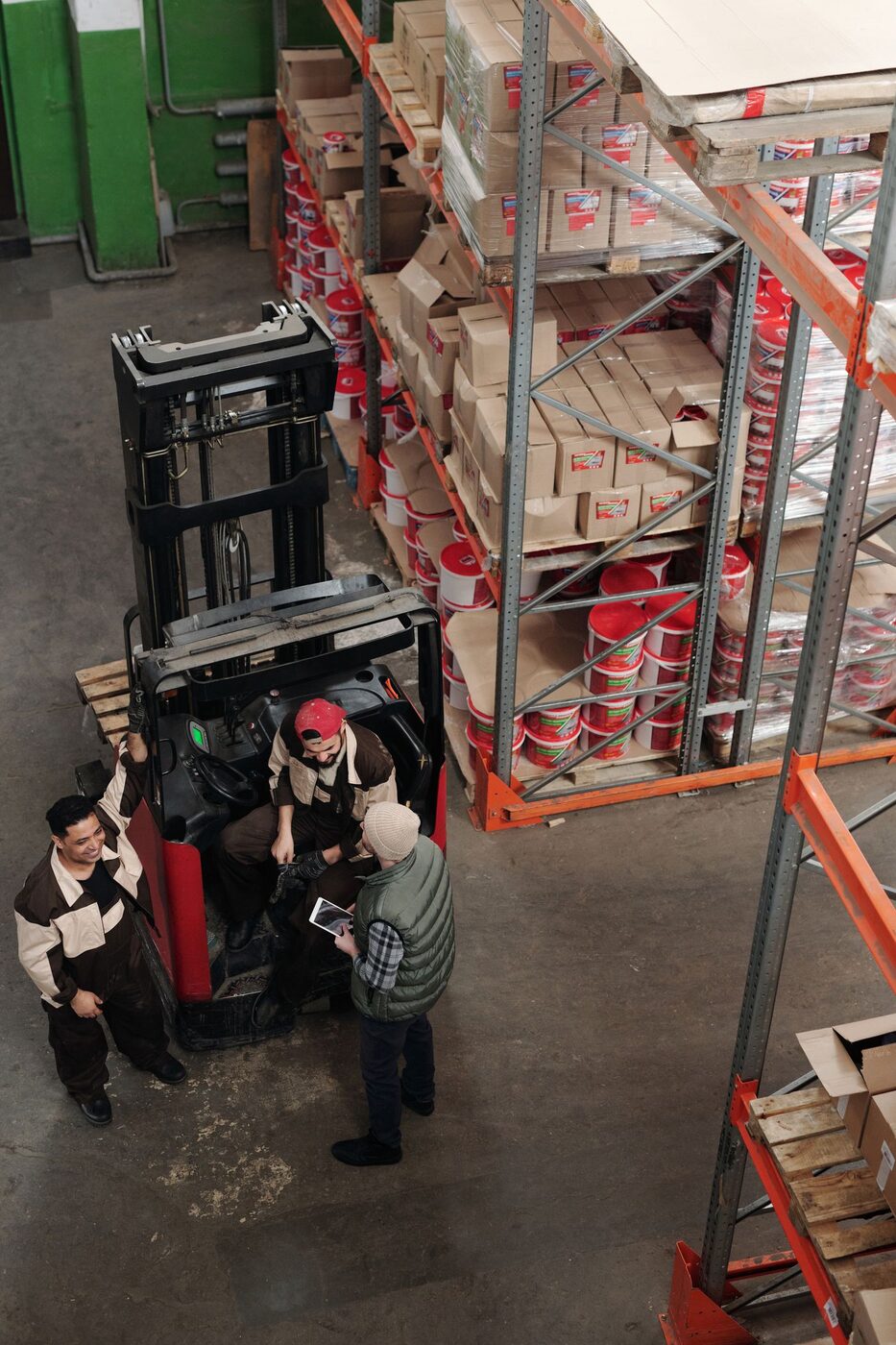
WAHI Logistics builds and invests in transport, warehousing and distribution capacity along these corridors. We partner with shipping lines, freight forwarders, fleet operators and logistics technology providers who want a credible operating base in Tanzania.
If your cargo already moves through Dar es Salaam — or should — we would welcome a discussion about doing it better.